

Visited National park
Bruce Peninsula National Park
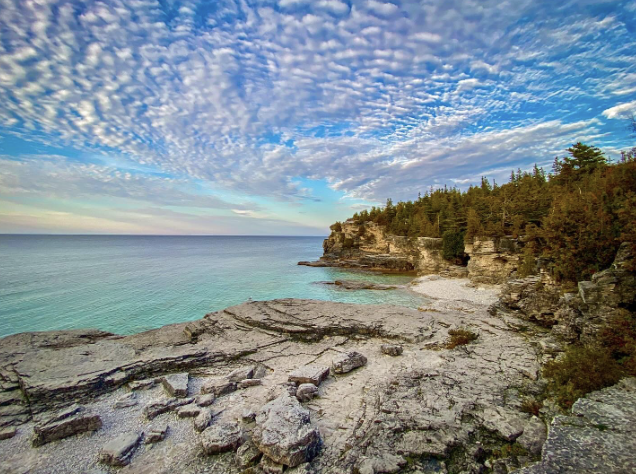
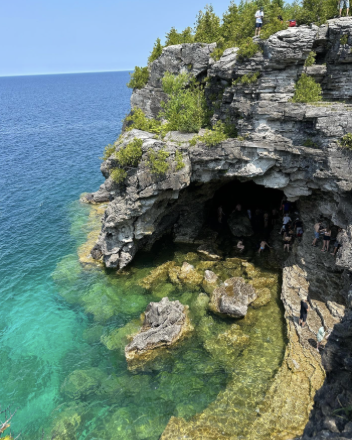
Bruce Peninsula National Park is a national park located along the Bruce Peninsula, in between Georgia Bay and Lake Huron in Ontario, Canada. This park was established in 1987 and is filled with many natural attractions including its clear blue waters, limestone cliffs, forests, caves, and diverse wildlife. This is one of Canada’s most popular natural attractions and includes famous sites such as ‘The Grotto’ which is a limestone cave. This land has deep Indigenous roots and have cared for this land for thousands of years. They heavily relied on the land and water for hunting, fishing, and transportation. The lakes and forests surrounding the area provide natural resources that help support their lifestyles. The cliffs and waters in the Bruce Peninsula were important travel routes and gathering places for many Indigenous communities. After the European settlement, the Indigenous communities that were connected to the Bruce Peninsula lost their original territory. New government policies and more land development restricted natural activities such as hunting, fishing, and harvesting, which are what helped support Indigenous lifestyles for many generations. Now, more people are recognizing this history and are continuing their efforts to help reconcile with Indigenous peoples in this area. Today, Bruce Peninsula National Park is a popular place for outdoor recreational activities and tourism. Tourists like activities such as hiking, camping, canoeing, swimming, and exploring the beautiful views like The Grotto and Bruce Trail. Although the park is known for its natural beauty, it also has its long Indigenous history and significance to this day.
Gros Morne National Park
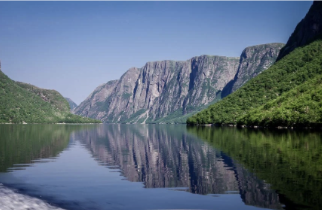
Gros Morne National Park is located on the west side of Newfoundland & Labrador. It was established in 1973 and is best known for its mountains, fjords, forests, cliffs, and the coastal views. It is also known as a UNESCO World Heritage Site because it shows plate tectonics which directly displays the continental drift process. This land has deep Indigenous connections. Some groups connected to this area include the Mi’kmaq, Innu, Inuit, and the Beothuk, who are the original inhabitants of Newfoundland. These communities relied on the landscape and waters for hunting, fishing, gathering plants, and travel. The forests, rivers, and coastline provided a multitude of natural resources. In addition to providing food and resources, Gros Morne National Park played an important role in Indigenous knowledge and their traditions. Indigenous people had a deep understanding of the environment around them by observing the seasons, animal behaviour, weather patterns, and natural resources over many generations. This knowledge helped them travel safely, find food, and live sustainably without damaging the land. Their teachings and skills were passed down through oral storytelling and more hands-on learning which allows younger generations to understand how to care for the environment and survive even during harsh conditions. Right now, Gros Morne National Park offers recreational activities such as hiking, camping, kayaking, boating, and seeing the wildlife. Some popular attractions include the Tablelands and Western Brook Pond. The Tablelands provides a 4km hiking destination where you can literally walk on the Earth’s mantel and there’s a boat tour you can take in the Western Brook Pond to see the beautiful views of the Long Range Mountains. Overall we can appreciate both the natural beauty and the historical significance of the Gros Morne National Park

Beyond the ordinary
This is where our journey begins. Get to know our business and what we do, and how we're committed to quality and great service. Join us as we grow and succeed together. We're glad you're here to be a part of our story.
Create Your Own Website With Webador